
A customer pays by check, and your business needs the money for supplies or tomorrow's payroll. Before exchanging that payment for cash, match it to the invoice and check the payee. Then look closely at any unexpected overpayment. Small business check cashing can be useful, but the printed amount alone does not prove that a check is valid. At NIX, we encourage owners in the Los Angeles area to settle these questions before visiting a center.
Match the Check to the Work You Actually Billed
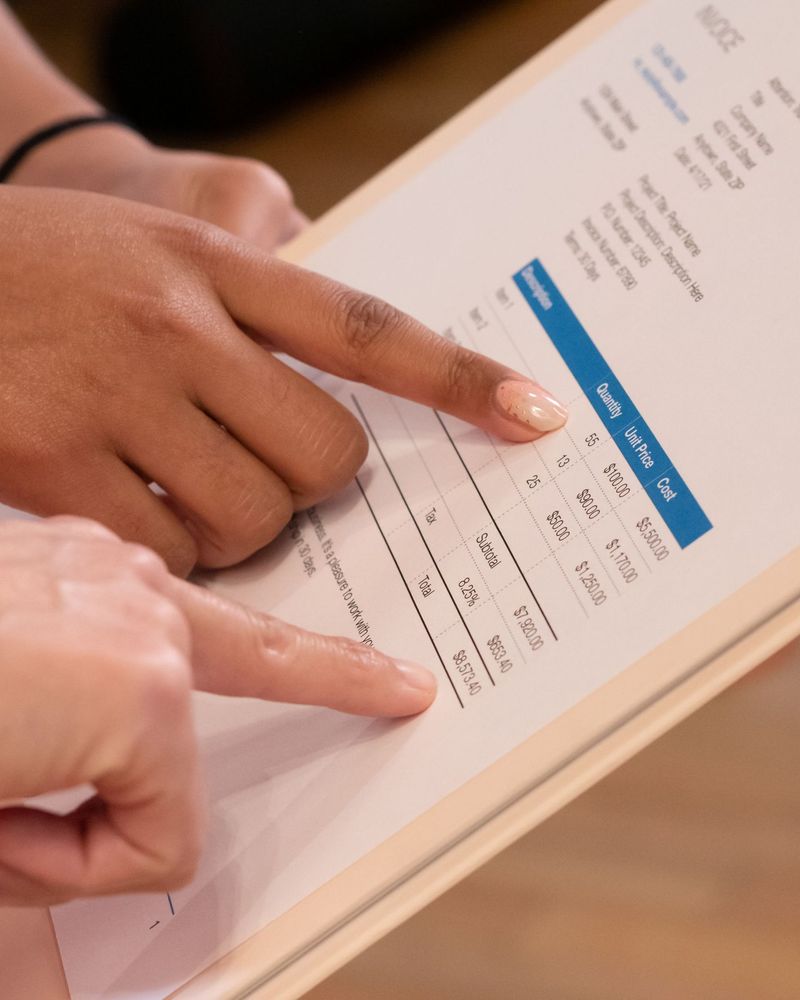
Put the check beside the original invoice or sales record. Check the customer's name, the agreed price, any invoice reference, and the amount written on the check. Resolve any mismatch before treating payment as settled.
If the amount is higher than the invoice, do not quietly apply the difference to a later order. Contact the customer through a number or email you already trust. Confirm the intended payment.
Keep the invoice and related messages with your transaction records. They help with reconciliation later.
Read the Payee Line Before Anyone Signs
A check payable to your own name may have different cashing requirements from one payable to a corporation, LLC, or other business entity. The person who brings it in might also need authority to act for that business. Cashing requirements vary by provider.
Our service information includes small business checks among the types we handle. That does not guarantee acceptance of every entity check. Before signing, ask us whether your specific payee arrangement is eligible and which documents a center would need.
Never change the payee line to make a check easier to process. If the customer wrote the wrong recipient, ask the payer to correct the problem through an appropriate replacement rather than altering the original document yourself.
Recognize the Overpayment Trap
Consider a customer who orders a service and mails a check for more than the invoice. Shortly afterward, the person asks you to return the extra amount by wire transfer or gift card.
That is a serious warning sign. The FTC describes scams in which a customer asks you to refund an overpayment from a check that later turns out to be fake. The returned money could be lost.
A deposited amount appearing in an account is not proof that the underlying check is legitimate. The FTC warns that a check can still be fake even after funds appear, because detection may take longer than the initial availability of funds.
Do not release the excess or purchase anything on behalf of an unfamiliar payer. Independently verify the payment before acting on a request to move money elsewhere.
Calculate the Cash Received and Keep Your Records
Once the payment and payee information check out, determine whether cashing it is practical. Ask for the actual service fee, the net cash available, and any applicable limits. A check's face value and the amount you take away can be different.
Keep an invoice, a transaction receipt, and any written exchange about a correction or refund. Record the service fee in your business books according to your accounting process.
We recommend getting those details before you rely on the proceeds for payroll or a supplier payment. Avoid planning around an unverified amount.
Five Things to Confirm With Our Team
Business checks vary, so a quick conversation can prevent a wasted visit. Before heading to a NIX center in your neighborhood, have the check and your business details ready. Ask these questions:
- Does this location consider the specific kind of business check I have?
- Can it accept the exact payee name printed on the document?
- Who may endorse the check, and what proof of authority is needed?
- What identification, records, fees, and amount limits apply?
- What should I do if the check has a discrepancy or alteration?
Our team can explain current acceptance requirements at the location. The answer can help you decide whether to request a corrected check before visiting.
If the Check Raises a Red Flag
Pause the transaction if the payer pressures you to send money back, changes the story, or refuses a reasonable verification request. Contact the payer using independent contact details and speak with your financial institution if you suspect a fake check.
If you suspect fraud, report it to the FTC and preserve your records.
Check types, fees, and documentation requirements may vary. Confirm current acceptance requirements with your NIX location. The information here does not guarantee that any check will be accepted or that a payment is free from fraud.